Charting Incentive Pathways: From Entry Offers Through Tiered Rewards to Lasting Engagement in Mobile Gaming Ecosystems
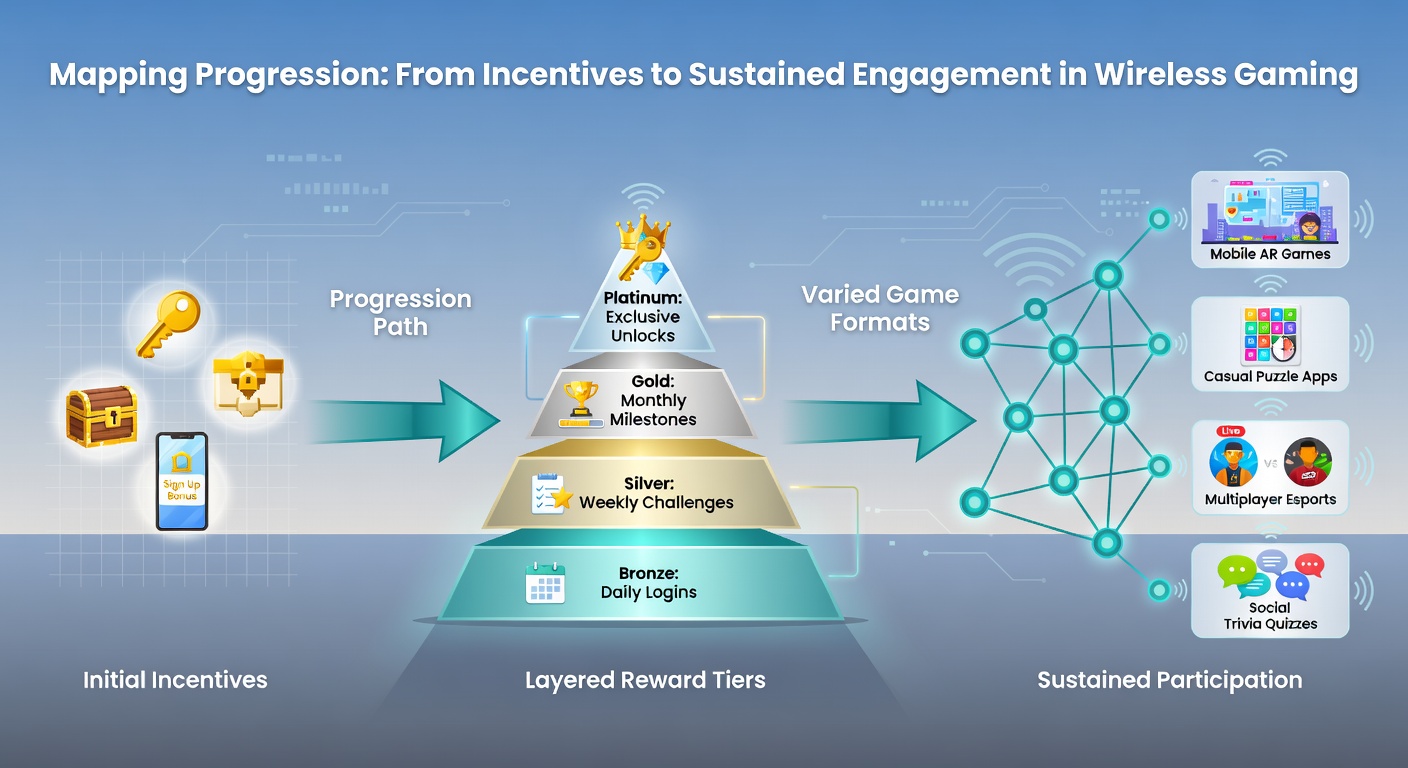
Platform operators structure incentives to guide users from first interactions toward deeper involvement, and data from multiple markets indicates this progression operates through distinct phases that align with device capabilities in wireless environments. Initial offers typically include deposit matches or free credits that activate upon registration, while subsequent layers introduce loyalty points and status levels that unlock additional benefits as cumulative activity increases. Research conducted across North American and European markets reveals that these systems maintain continuity by adapting reward values to individual play patterns recorded on smartphones and tablets.
Analysts tracking user behavior note that early-stage incentives focus on acquisition metrics, such as sign-up completion rates, and transition into retention mechanisms once baseline engagement thresholds are met. In May 2026 platform updates incorporated refined tracking tools that monitor session length alongside game-type transitions, allowing operators to calibrate offers dynamically without manual intervention. Those who study these systems observe that seamless handoffs between incentive stages reduce drop-off points, particularly when users shift between slot-style mechanics and strategy-based table options within the same session.
Initial Incentives and Early Progression
Entry-level rewards establish the first connection point, and operators commonly deploy them through time-limited windows that encourage immediate deposit activity. Figures compiled by the American Gaming Association demonstrate that welcome structures combining matched funds with limited free rounds generate the highest conversion from download to funded account across wireless channels. Participants receive these offers via push notifications or in-app banners, and the delivery method itself contributes to the speed of progression into the next reward layer.
Once users complete qualifying actions, such as a minimum deposit or a set number of spins, systems automatically advance them into the subsequent tier without requiring separate enrollment. This automation relies on backend algorithms that log device identifiers and session data, ensuring continuity even when users switch between multiple wireless networks during a single day. Evidence from industry reports shows that platforms employing this method sustain higher day-two return rates compared with those that rely on manual claim processes.
Layered Reward Tiers and Status Advancement
After the entry phase, systems introduce graduated levels where accumulated points determine access to escalating benefits, including cashback percentages, exclusive game access, and personalized reload offers. Observers note that these tiers often reset or adjust on monthly cycles, creating recurring milestones that align with calendar-based engagement goals. Data indicates that users who reach the second or third tier within the first thirty days exhibit longer overall platform tenure across varied game categories.
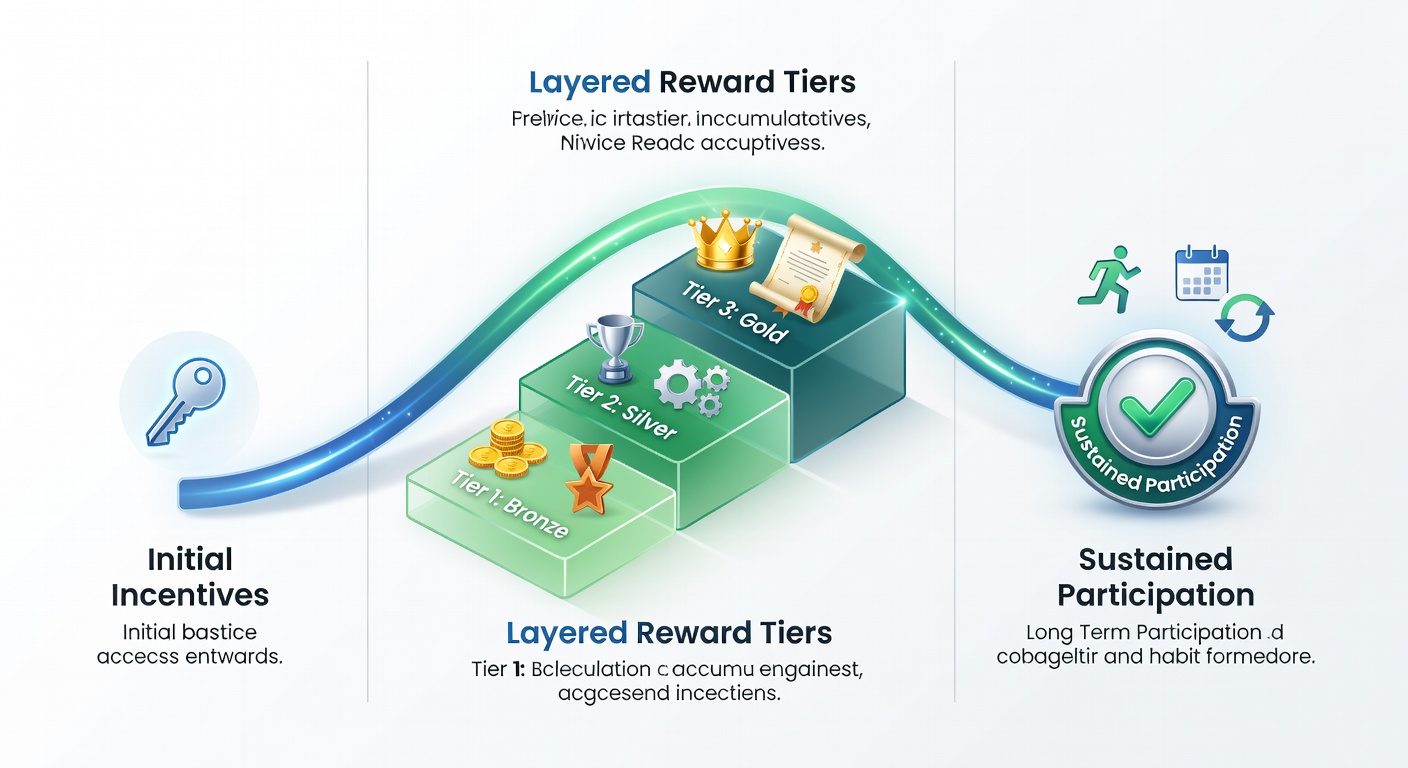
Status elevation frequently incorporates both quantitative play volume and qualitative factors such as game diversity, which encourages movement from one format to another. A study released by the University of Nevada, Reno tracked mobile sessions and found that participants who sampled at least three distinct game types within a single week advanced through tiers at accelerated rates. Platform interfaces display progress bars and upcoming rewards in real time, reinforcing forward momentum while users remain on wireless connections.
Sustained Participation Across Game Formats
Long-term retention depends on the ability of reward structures to support transitions between game categories without disrupting accumulated benefits. Slot-focused incentives may convert into live-dealer credits or tournament entries once certain thresholds are cleared, and this flexibility keeps engagement distributed rather than concentrated in a single vertical. Reports compiled by the Canadian Gaming Association highlight that cross-format reward mapping correlates with reduced churn, particularly among users who access platforms primarily through tablets and smartphones.
Wireless-specific features, such as offline mode previews and push-based milestone alerts, further support continuity when network connectivity fluctuates. Those monitoring behavioral datasets observe that participants who receive format-specific bonuses at tier boundaries maintain consistent weekly activity levels for extended periods. The structure therefore functions as a connective framework that links initial acquisition mechanics to ongoing participation metrics across an expanding range of game options.
Conclusion
Platform designs that map incentives through sequential stages demonstrate measurable effects on user longevity within wireless environments. The progression from entry offers through tiered advancement to cross-format rewards creates a continuous pathway that adapts to recorded behavior and device usage patterns. Available data from regulatory and academic sources confirms that these layered systems contribute to sustained participation when implemented with consistent tracking and timely delivery across mobile formats.