Encrypted Transactions and Loyalty Tiers Driving Handheld Casino Innovations
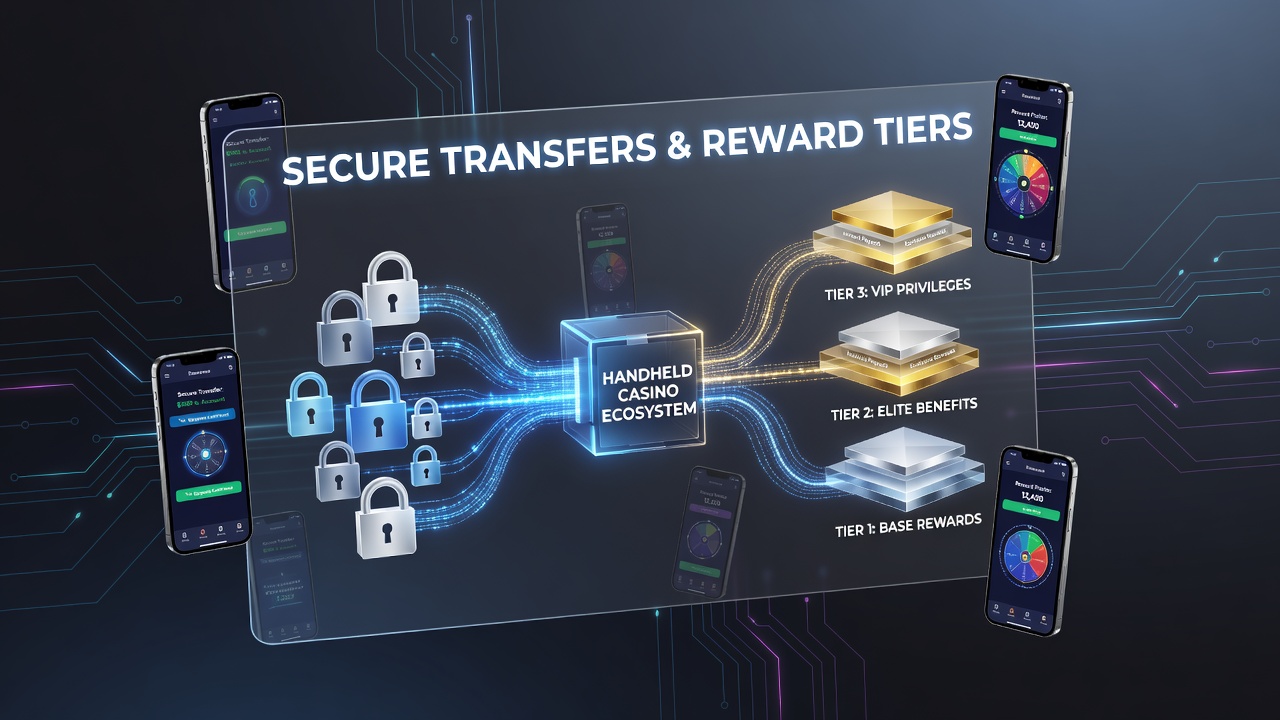
Secure transfers form the backbone of handheld casino ecosystems, where encrypted payment channels intersect directly with structured reward tiers to shape user progression and platform operations. Data from regulatory filings across multiple jurisdictions shows that mobile platforms integrate multi-layered encryption protocols with loyalty programs, allowing higher-tier participants access to expedited verification processes and dedicated transaction pathways. Observers note that this convergence accelerates as device capabilities expand, with June 2026 marking the rollout of updated interoperability standards in several international markets.
Payment security in these environments relies on standards such as TLS 1.3 and tokenization methods that reduce exposure during fund movements between user accounts and operator systems. Industry reports indicate that platforms employing these measures experience measurable reductions in unauthorized access incidents, particularly when reward structures tie account verification levels to tier advancement. Lower tiers often face standard processing windows, whereas elevated statuses unlock features like priority routing through secure gateways, according to documentation from the Nevada Gaming Control Board.
Technical Foundations of Secure Transfers in Mobile Settings
Handheld devices transmit sensitive financial data across variable network conditions, prompting operators to adopt end-to-end encryption paired with biometric authentication layers. Research from academic studies on digital gaming infrastructure reveals that these systems frequently incorporate real-time monitoring algorithms to flag anomalies during transfers, ensuring compliance with regional data protection requirements. What's interesting is how these safeguards scale with user activity metrics, feeding directly into tier evaluation criteria that determine eligibility for enhanced services.
Token-based wallets and multi-factor confirmation sequences appear consistently across major platforms, with integration points that allow seamless movement from deposit actions to reward accrual. Figures from European trade associations demonstrate that such architectures support higher transaction volumes without proportional increases in latency, especially for participants who have reached mid-level tiers through consistent engagement patterns.
Reward Tiers and Their Link to Transaction Priorities
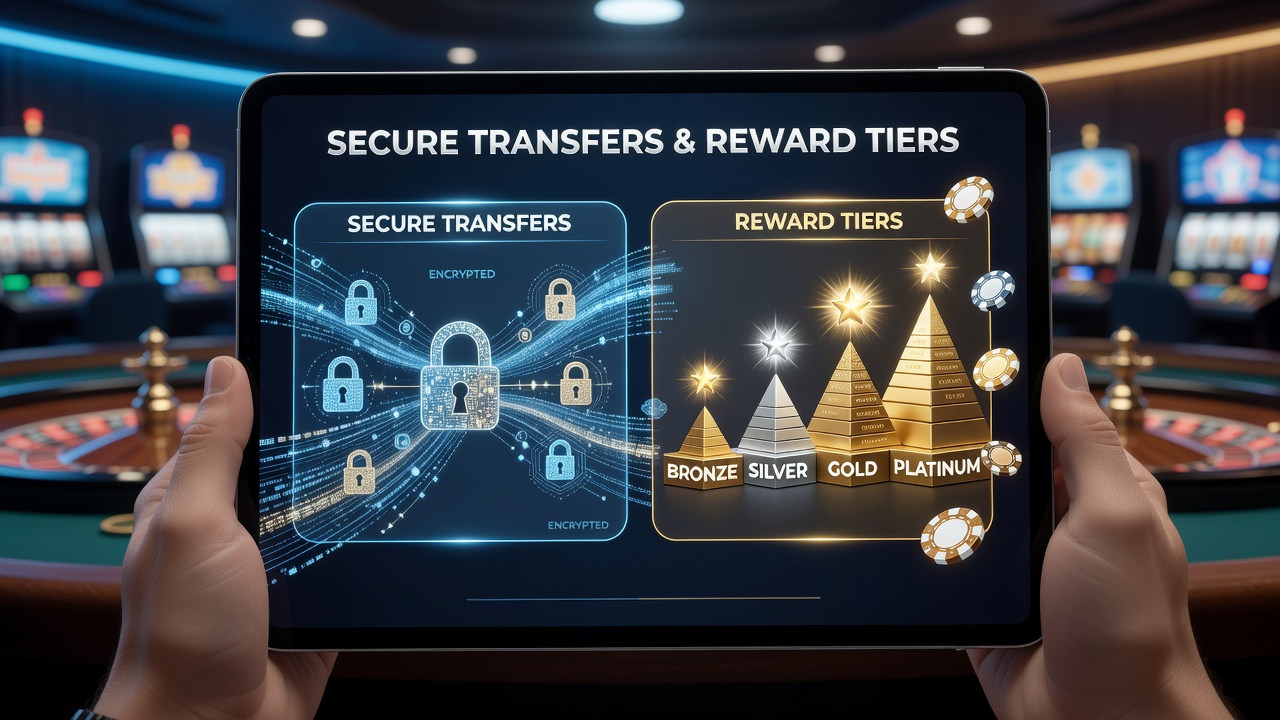
Loyalty frameworks categorize participants into graduated levels based on deposit frequency, play volume, and retention duration, with each tier unlocking distinct benefits tied to transfer capabilities. Higher placements commonly grant reduced confirmation times for withdrawals and access to specialized payment corridors that bypass general queues. Evidence from platform audits shows these distinctions emerge because operators allocate dedicated server resources to verified high-tier accounts, streamlining the flow of funds while maintaining audit trails required by oversight bodies.
Take one documented case where operators adjusted tier thresholds in response to transaction pattern analysis, resulting in clearer pathways between secure deposit methods and bonus eligibility. Those who've examined operational logs note that reward points earned through mobile sessions often convert more rapidly when processed via encrypted channels reserved for upper tiers, creating measurable differences in account liquidity.
Regulatory and Operational Intersections Emerging in 2026
June 2026 brings renewed focus on cross-border standards for mobile gambling transactions, with several oversight entities aligning encryption requirements to tier-based access models. Data compiled by the Australian Communications and Media Authority highlights how these alignments influence platform design choices, particularly in regions where handheld usage dominates overall participation rates. Platforms that synchronize secure transfer protocols with loyalty progression report improved alignment with evolving compliance expectations.
Operators implement these intersections through backend systems that automatically elevate transaction security settings once users achieve specific reward milestones. Studies from research institutions tracking digital entertainment trends indicate that such automation reduces manual oversight needs while preserving the integrity of fund movements across varying device types and network environments.
Case Examples of Integrated Systems
One platform revised its tier structure to incorporate transfer speed metrics as a qualification factor, leading to documented shifts in user retention across mobile cohorts. Industry organizations tracking these developments note that participants reaching advanced tiers frequently utilize dedicated encrypted portals for both deposits and redemptions, which correlates with sustained activity levels in longitudinal data sets. Another example involves integration with third-party security providers that offer tier-specific API endpoints, allowing faster reconciliation processes without compromising encryption standards.
These configurations demonstrate how secure transfers and reward tiers operate as interdependent elements rather than isolated features, with data flows between them informing both operational decisions and regulatory reporting.
Conclusion
Handheld casino ecosystems continue to evolve through the deliberate linkage of encrypted transaction systems and progressive loyalty structures, supported by regulatory updates scheduled around June 2026. Documentation from multiple sources confirms that these intersections enhance processing efficiency for qualified users while upholding security benchmarks across platforms. Ongoing analysis by trade groups and academic researchers provides further insight into how these elements interact within expanding mobile environments.