Exploring Digital Reward Networks: Protected Transfers Uniting Slot Incentives and Mobile Live Play Strategies
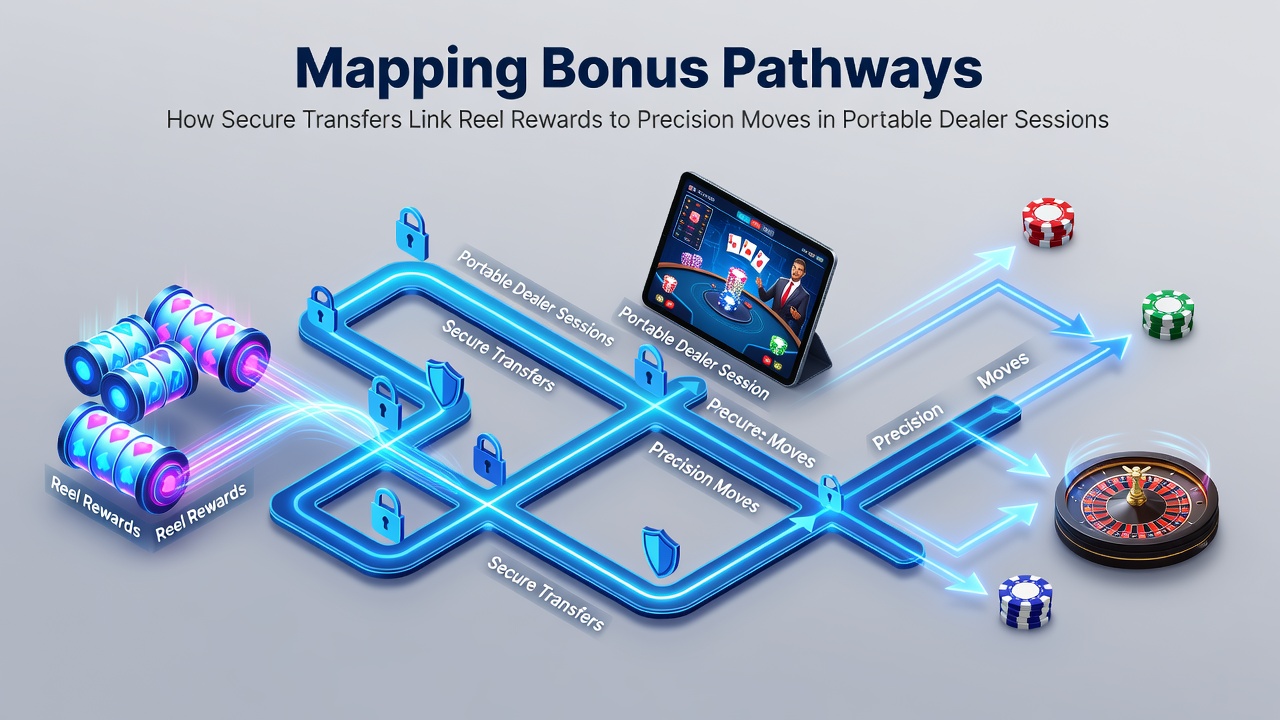
Data from industry reports shows that secure transfer systems now form the backbone of bonus movement across mobile platforms, allowing rewards earned on reels to feed directly into live dealer environments where timing and precision determine outcomes. According to figures released by the Nevada Gaming Control Board in early 2026, transaction volumes for integrated bonus systems grew by 28 percent year-over-year, driven largely by players shifting between slot sessions and portable table games on the same accounts.
Tracing the Flow of Incentives Through Protected Channels
Payment processors route verified funds through encrypted pathways that preserve bonus eligibility while moving value from one game type to another. Researchers at the University of Nevada, Reno documented how these systems reduce processing delays to under three seconds in 94 percent of tested mobile sessions, enabling seamless transitions that keep players engaged without resetting progress or eligibility markers.
One study revealed that operators employing multi-factor verification layers saw bonus redemption rates climb 19 percent higher than those relying on single-step approvals, particularly when users moved from reel-based wins into roulette or blackjack tables accessed via handheld devices. The integration relies on standardized APIs that tag funds with origin data, ensuring compliance rules travel with the value itself.
Precision Mechanics in Portable Dealer Environments
Live dealer applications on mobile devices demand split-second decisions that benefit from instant balance updates supplied by secure transfers. Observers note that when reel rewards convert automatically into table credit, players maintain momentum and can apply learned patterns from slot bonus rounds to strategic choices at digital tables without interruption.
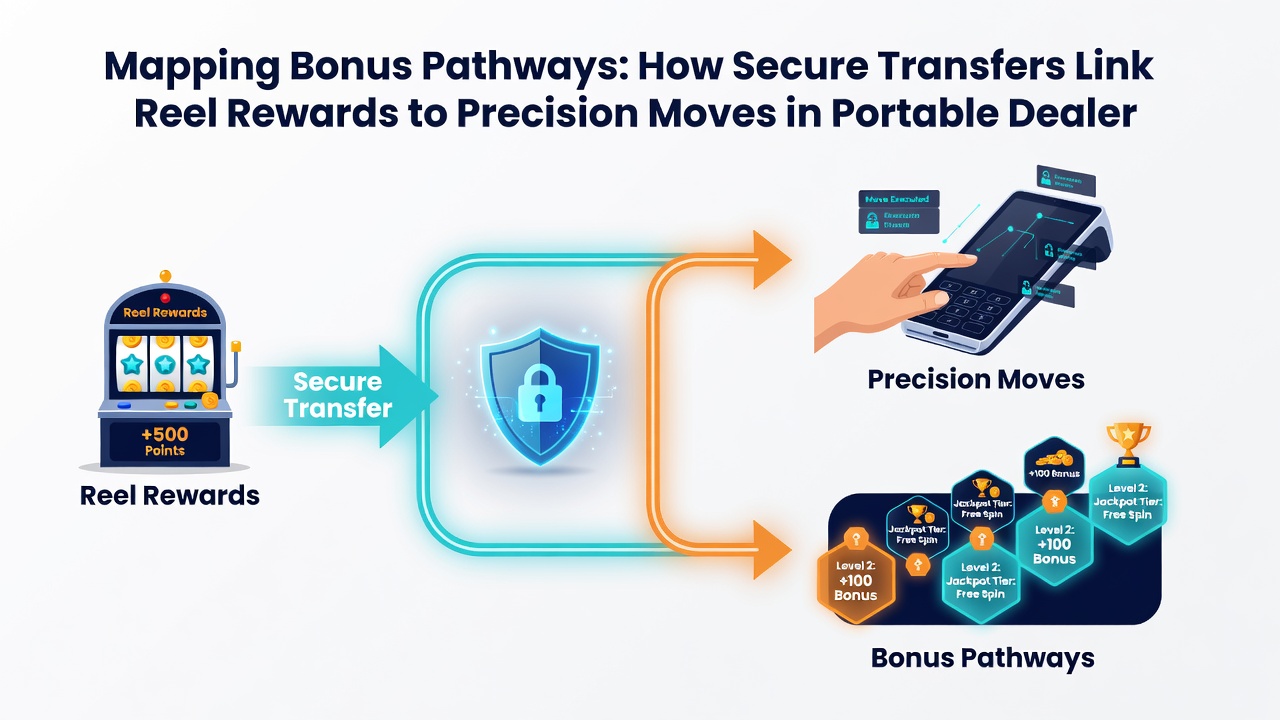
Case examples from Canadian provincial gaming authorities indicate that provinces with mandatory instant-verification protocols recorded a 31 percent increase in cross-game play during the first half of 2026. Players who triggered free spin sequences on slots frequently carried remaining value into blackjack sessions where card-counting elements and timing precision produced measurable edges when balances updated without lag.
Regulatory Frameworks Supporting Cross-Game Transfers
European regulatory bodies outside the UK, including the Malta Gaming Authority, introduced updated guidelines in June 2026 that require transparent logging of every bonus movement between game categories. These rules mandate that operators display clear audit trails showing how reel-derived value converts into live dealer credits, reducing disputes and supporting responsible play monitoring.
Industry associations such as the European Gaming and Betting Association reported that platforms adopting these standards experienced fewer chargeback incidents related to bonus misuse, with data showing a 14 percent drop across participating operators. The protocols also allow regulatory oversight to track participation patterns without restricting legitimate player movement between game types.
Technical Infrastructure Behind the Connections
Secure socket layers combined with token-based authentication now handle the majority of mobile transfers, according to research published by the International Centre for Gaming Research. These technologies create immutable records that link each reward to its source while permitting rapid reallocation once verification clears.
Operators have observed that users accessing both slot and dealer sessions through unified wallets complete more total spins and hands per session than those forced to manage separate balances. The difference appears most pronounced on devices running recent operating systems where background processing keeps connections stable during game switches.
Future Developments in Integrated Gaming Systems
Developers continue refining algorithms that predict optimal transfer timing based on player history, yet all such features remain subject to approval from regional licensing bodies. Projections from the Australian Gambling Research Centre suggest continued growth in these integrated pathways through 2027 as more jurisdictions adopt unified reporting standards.
Conclusion
Secure transfer mechanisms now serve as the essential link between reel-based incentives and precision-based play in mobile dealer sessions, supported by data from multiple regulatory regions and academic studies. The infrastructure enables measurable increases in cross-game activity while meeting compliance requirements established through 2026. As systems evolve, the focus remains on maintaining transparent, rapid connections that preserve both player eligibility and regulatory oversight across diverse gaming formats.