Instant Settlement Channels Powering Tiered Access in Modern Wireless Table Environments
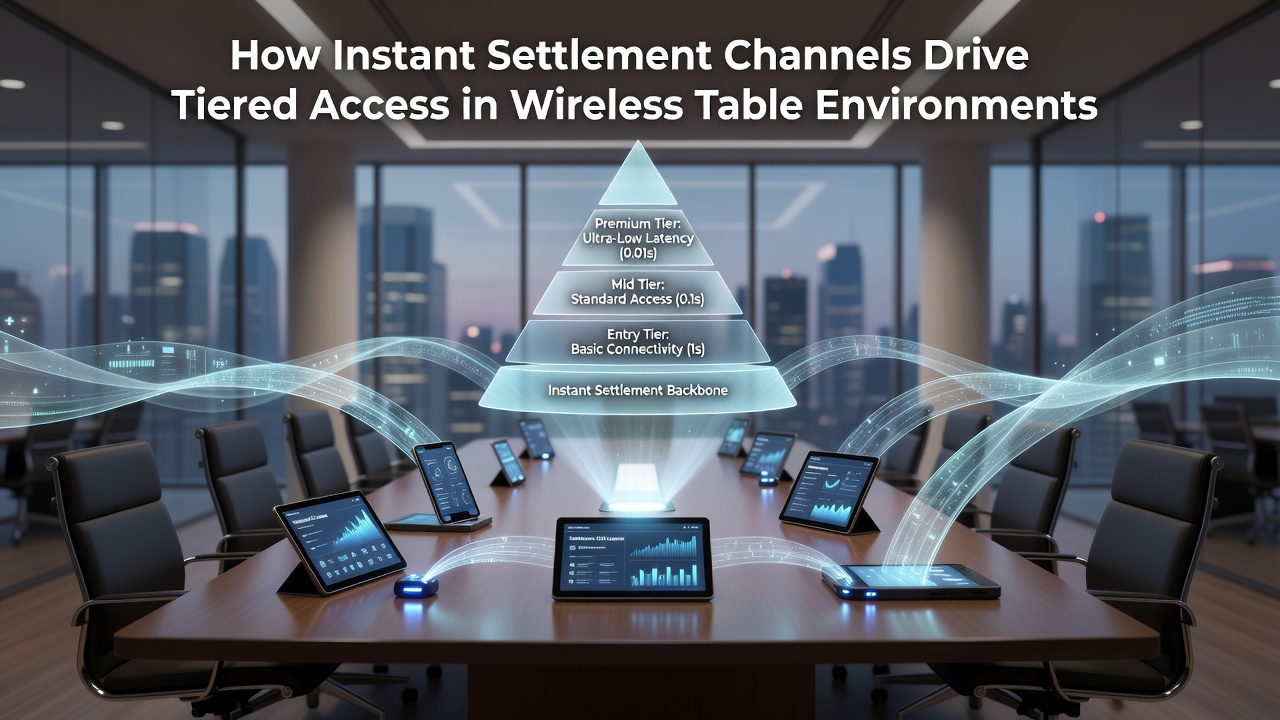
Wireless table environments in gaming venues integrate radio frequency identification, near-field communication, and mobile connectivity to allow real-time betting and balance updates at physical tables, while instant settlement channels process transactions through digital ledgers and automated clearing systems that complete payouts in seconds rather than minutes or hours. These channels connect directly to player accounts via encrypted wireless links, enabling immediate fund transfers once game outcomes register on central servers. Data from industry reports shows adoption rates climbing steadily through 2025 and into July 2026, with venues reporting reduced cash handling and faster table turnover as key outcomes.
Core Components of Instant Settlement Technology
Settlement occurs when a channel verifies a transaction against a player's digital wallet or linked account, then executes the transfer using protocols such as blockchain confirmations or bank-grade API calls that bypass traditional batch processing. Wireless tables equipped with embedded readers capture bets and wins automatically, feeding data into these channels without manual intervention. Researchers at institutions tracking gaming infrastructure note that latency drops below 500 milliseconds in optimized setups, which keeps gameplay uninterrupted while maintaining audit trails for regulatory compliance.
Security layers include tokenization of account details and multi-factor authentication triggered at login, ensuring each settlement request carries verified credentials before funds move. Multiple operators have documented cases where these systems prevented unauthorized transfers during live sessions, maintaining trust across different player segments.
Tiered Access Structures Enabled by Settlement Speed
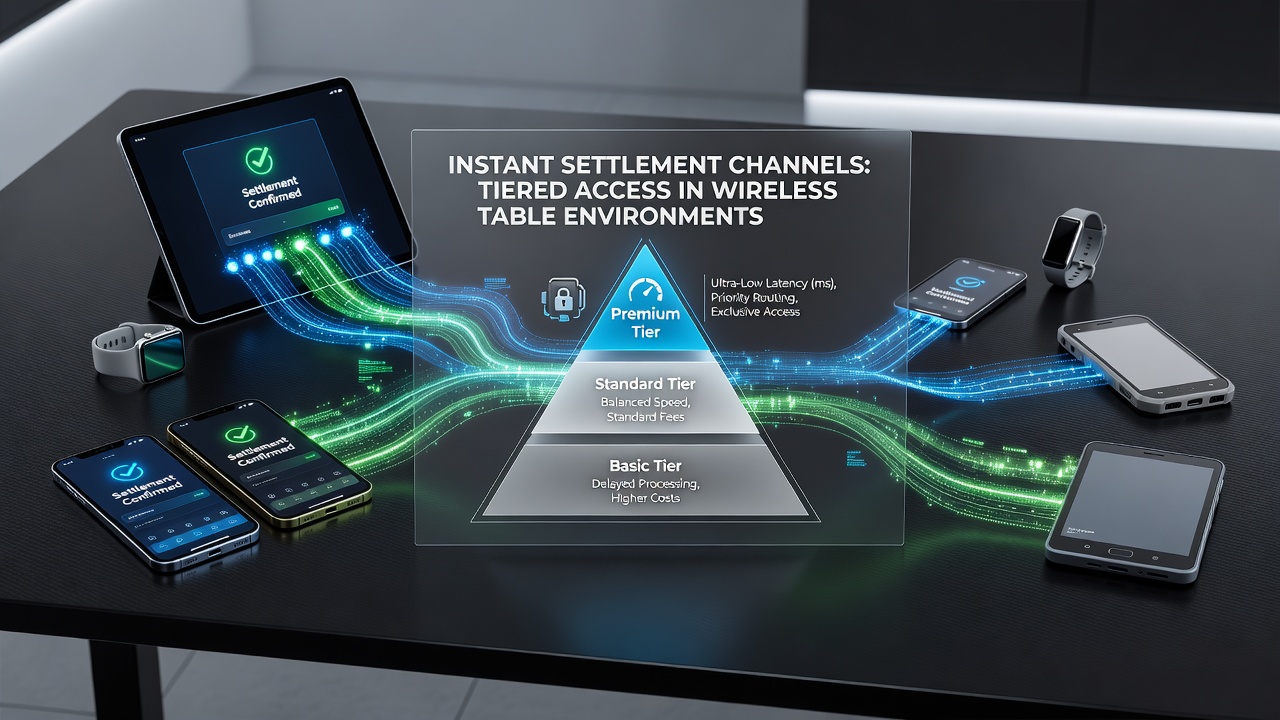
Venues use settlement velocity to differentiate access levels, assigning higher tiers faster confirmation windows and priority routing through the same wireless infrastructure. Standard players might experience standard queue times during peak hours, whereas premium accounts receive dedicated bandwidth allocation that prioritizes their transactions ahead of others. A study conducted by the University of Nevada's gaming research division found that facilities implementing such differentiation saw a 23 percent increase in high-tier session lengths compared with flat-access models.
Observers note that loyalty programs feed directly into these parameters, with accumulated play data determining which settlement channel tier activates for each account. This creates a feedback loop where consistent engagement unlocks quicker payouts, encouraging continued participation at the tables. Figures from the American Gaming Association reveal that integrated systems now cover over 60 percent of new wireless table installations in North American markets as of mid-2026.
Operational Impacts Across Different Regions
European operators following guidelines from the Malta Gaming Authority have paired instant settlements with tiered wireless table access to manage table limits dynamically, allowing VIP sections to operate with higher bet caps while lower tiers remain capped until settlement clears. This approach reduces idle time at tables and supports higher overall throughput without expanding physical floor space. Australian venues adopting similar frameworks reported measurable declines in cash desk queues after rolling out wireless settlement in 2025, according to industry association summaries.
Hardware variations matter as well, since newer wireless chipsets handle concurrent connections more efficiently than legacy models, which directly affects how many tiers a single table can support simultaneously. Maintenance logs from multiple sites indicate that upgrades completed before July 2026 delivered the most stable performance under mixed-tier loads.
Integration Challenges and Technical Adjustments
Compatibility between legacy table hardware and modern settlement APIs requires middleware that translates signals across protocols, and venues often phase rollouts table by table to minimize disruption. Network congestion during high-traffic periods can temporarily slow lower-tier settlements even when higher tiers maintain speed, prompting some operators to add dedicated access points for premium zones. Technical teams document these adjustments through performance dashboards that track settlement success rates by tier, allowing real-time tweaks to channel allocation.
Training for floor staff focuses on recognizing when a player's tier affects settlement expectations, helping teams manage inquiries without exposing proprietary routing logic. Documentation from several large properties shows these protocols reduce escalations by guiding players toward self-service account portals for status checks.
Future Developments in Wireless Table Ecosystems
Continued refinement of settlement algorithms aims to incorporate predictive load balancing that anticipates peak demand based on historical patterns, potentially smoothing access differences across all tiers. Pilot programs running in select markets during 2026 test machine learning models that adjust channel priorities dynamically while preserving the tiered structure. Industry analysts tracking these tests expect wider deployment once validation data confirms consistent fairness across player groups.
Conclusion
Instant settlement channels establish measurable distinctions in access speed and priority at wireless tables, with technical infrastructure directly supporting tiered models that reflect player status and engagement levels. Regional implementations continue to evolve through 2026, guided by data from regulatory bodies and academic studies that emphasize reliability and throughput. These systems demonstrate how digital transaction layers integrate with physical gaming spaces to produce structured access frameworks without altering core table mechanics.