Payment Networks Reshape Reward Pathways Connecting Slot Reels to Live Dealer Tables

Digital transaction systems now route player funds and bonus credits across slot machines and live dealer environments with minimal delay, and operators deploy these networks to unify reward structures that once operated separately. Payment rails such as instant bank transfers and digital wallets move deposits into spinning reel sessions while simultaneously crediting loyalty points that carry over to interactive dealer tables without requiring separate account actions.
Mechanics of Integrated Reward Flows
Transaction pathways begin at the deposit stage where automated systems verify funds in seconds, then allocate portions of those funds to slot play while reserving matching credits for table games. Data from platform operators indicates that when a player completes a set number of spins on variable-reel titles, accumulated points convert automatically into live dealer entry tokens, and this conversion occurs through the same ledger that handles the original deposit. Observers note that such linkages reduce friction because players no longer toggle between separate bonus pools, while backend reconciliation engines update balances across both verticals in a single transaction record.
July 2026 reports from multiple European operators show that average session length increased when these unified pathways activated, because players could transition directly from reel bonuses into roulette or blackjack without additional funding steps. The same reports record higher redemption rates for loyalty rewards when points earned on slots applied automatically to dealer sessions, and system logs confirm that failed transfers dropped below two percent after the adoption of unified APIs.
Regional Payment Standards and Their Impact
Regulatory frameworks in different jurisdictions shape how quickly these pathways expand. In Nevada, the Gaming Control Board requires real-time reporting of all cross-product transfers, which has encouraged operators to build compliant rails that also support reward portability. Meanwhile Canadian provincial frameworks in Ontario mandate similar transparency, and data shared by the Alcohol and Gaming Commission of Ontario reveals that integrated reward programs now account for a measurable share of player activity across both slots and live tables.
These standards differ from older models where slot bonuses remained isolated from table play, yet the newer approach aligns with broader industry moves toward single-wallet ecosystems. One study released by the American Gaming Association examined transaction volumes across U.S. states and found that operators using unified reward ledgers recorded steadier player retention figures compared with those maintaining separate pools.
Technical Infrastructure Behind the Shift
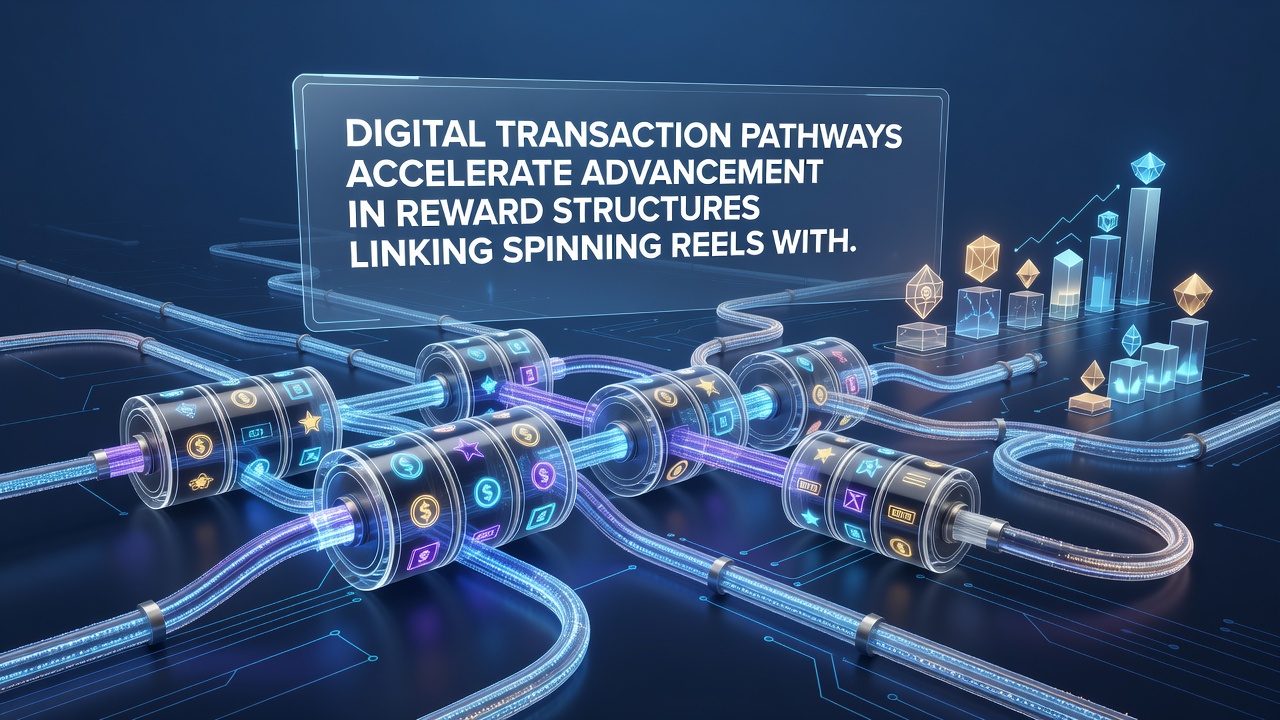
Modern payment gateways rely on tokenization and encrypted ledgers that allow a single deposit to trigger multiple reward events across game types. When a player initiates a spin sequence, the system simultaneously reserves a proportional credit for dealer tables, and this reservation appears in the player interface as an available live-session token. Developers achieve this by embedding conditional logic inside the transaction layer so that reel outcomes update both slot meters and live-game eligibility in parallel.
Security protocols include multi-factor confirmation for larger transfers, yet routine reward redemptions occur without additional prompts because the pathway already authenticated the originating deposit. Industry documentation shows that average processing time for these cross-vertical credits fell from several minutes to under ten seconds once operators migrated to newer gateway versions, and latency measurements collected during peak hours confirm consistent performance across mobile and desktop clients.
Player Journey Examples Across Platforms
Consider a sequence where a deposit activates a reel bonus round, the resulting points convert into dealer-table credits, and the player moves to a live blackjack session without leaving the main account view. Platform telemetry from several operators demonstrates that such sequences occur more frequently when transaction systems handle the conversion automatically rather than requiring manual selection. Another pattern appears when progressive jackpots on slots feed directly into live-dealer tournament entries, and records indicate that these hybrid entries now represent a growing segment of promotional activity.
Operators in multiple markets report that players who follow these linked pathways tend to complete more game rounds overall, although aggregate participation rates remain subject to local regulatory limits. Figures released by the Nevada Gaming Control Board for the first half of 2026 illustrate continued growth in combined slot and table handle when reward portability is enabled, while separate data sets track corresponding increases in transaction counts.
Conclusion
Digital transaction pathways continue to tighten the connection between spinning reels and interactive dealer sessions through unified reward ledgers and rapid fund routing. Regulatory bodies in several regions have established reporting requirements that support these integrations while maintaining oversight, and technical standards now allow points earned on one game type to apply directly to another. As payment networks evolve, the linkage between slot activity and live dealer participation rests on the same infrastructure that processes deposits and withdrawals, creating a single operational flow across previously separate verticals.