Payment Solutions Accelerating Transitions from Digital Slots to Live Casino Tables
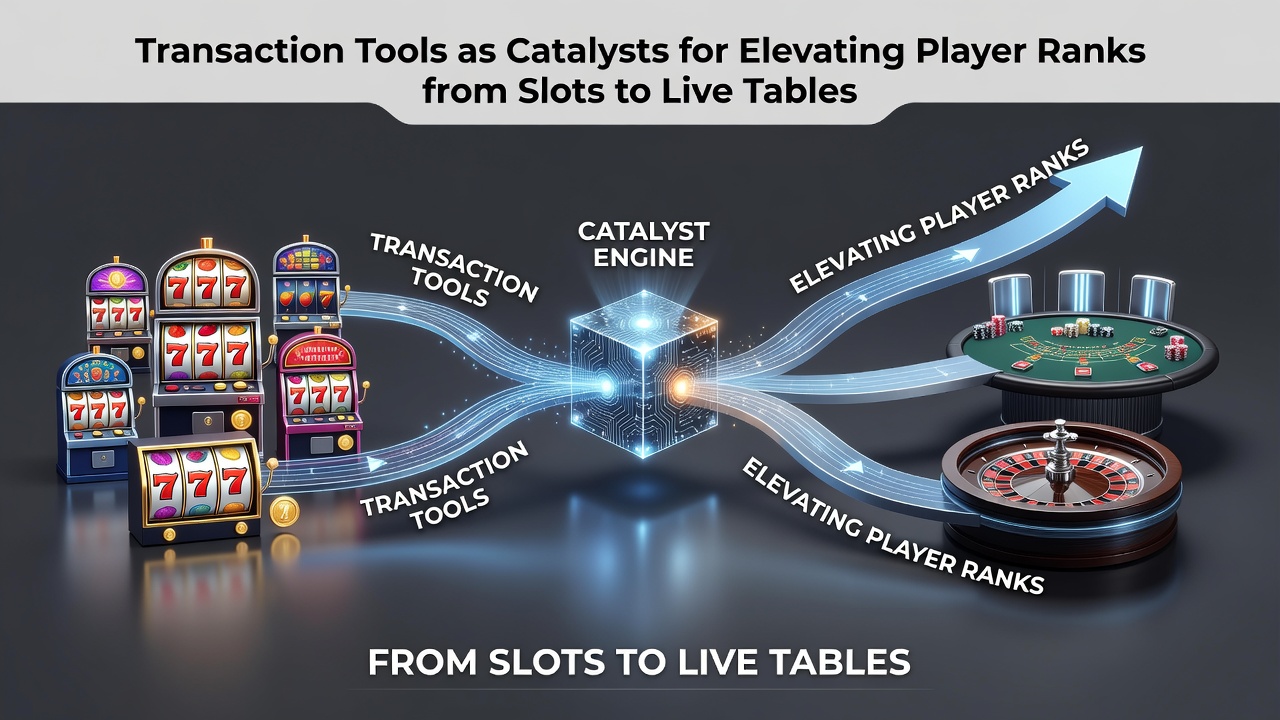
Digital payment platforms now serve as key mechanisms that support player movement between slot machines and live dealer environments, with transaction speed and integration features playing central roles in account progression systems. Research indicates these tools enable instant funding options that align with reward structures designed to encourage higher engagement levels across game categories.
Operators integrate e-wallet services and bank transfer solutions directly into casino platforms, which allows users to deposit funds without interrupting gameplay sessions. Data shows that accounts utilizing these methods often accumulate loyalty points at accelerated rates because transaction records feed directly into ranking algorithms that track activity volume and frequency.
Mechanics Behind Payment-Driven Rank Advancement
Slot play generates initial activity metrics that transaction tools record and convert into progression markers, yet the same systems extend to live table sessions where higher stake thresholds apply. Observers note that platforms using instant verification processes reduce delays between deposit and play, which maintains momentum when players shift categories. Studies from industry analysts reveal that users completing multiple small transactions through verified channels reach intermediate ranks faster than those relying on traditional methods.
Live dealer tables require specific funding minimums that slot-focused players encounter during rank elevation phases, and payment solutions address this by offering pre-approved credit lines tied to transaction history. Those who've examined user data patterns find that e-wallet users transition more readily because balance visibility updates in real time, supporting decisions about table entry without separate account checks.
Integration Patterns Observed in June 2026
Reports compiled around June 2026 highlight increased adoption of unified payment gateways across multiple jurisdictions, with transaction logs contributing directly to cross-game reward calculations. Figures from regulatory bodies in various regions demonstrate that platforms offering multi-currency support through these tools see higher completion rates for rank milestones that combine slot volume with live table participation.
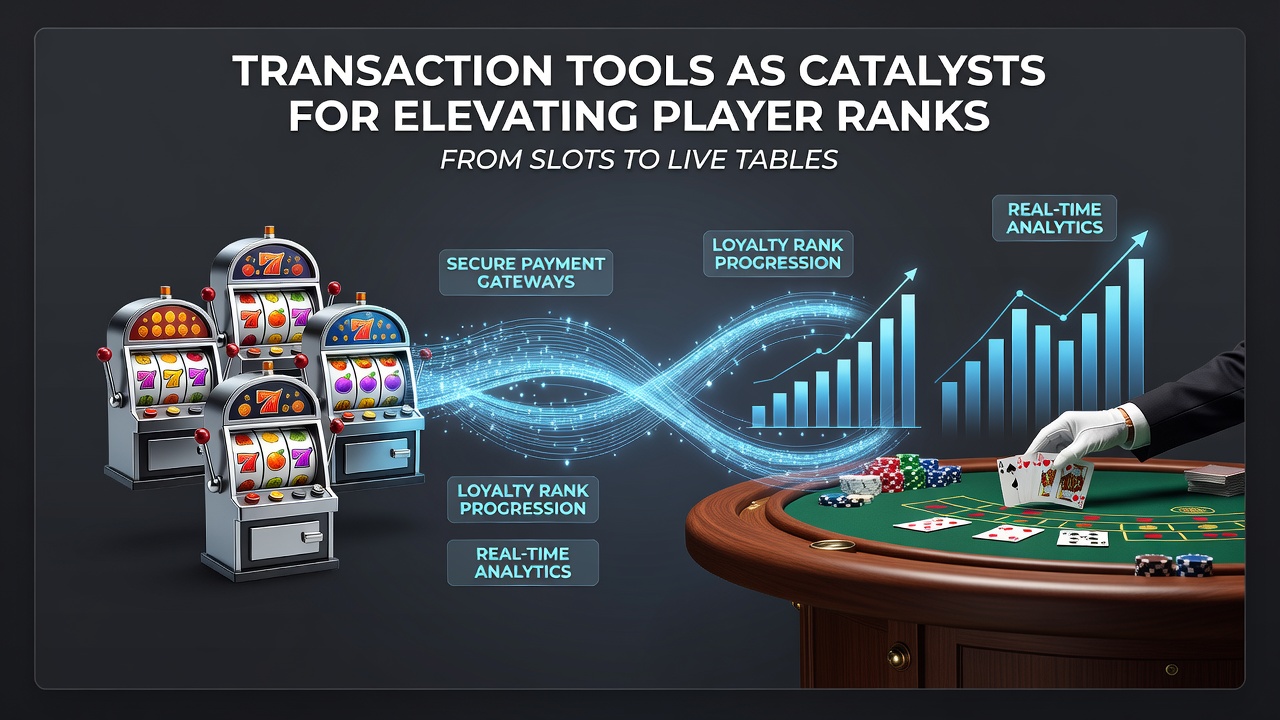
Take one analysis conducted by gaming technology firms that tracked account behaviors over several quarters and found correlations between payment method diversity and live table access frequency. Players employing a combination of digital wallets and card-based options accumulated the necessary activity thresholds more consistently, which moved them into programs featuring dedicated live dealer environments.
Role of Transaction History in VIP Structures
VIP frameworks evaluate cumulative transaction data alongside game-specific metrics, creating pathways where slot-generated deposits contribute to eligibility for live table benefits such as priority seating and customized limits. Evidence suggests these evaluations occur automatically when payment platforms interface with backend ranking software, eliminating manual reviews in many cases.
According to findings published by the American Gaming Association, transaction volume serves as a reliable predictor of player category shifts because it reflects sustained engagement across formats. Operators apply this data to segment users into tiers that unlock live dealer features once slot activity meets predefined benchmarks, while maintaining seamless funding continuity.
European operators have incorporated similar systems, with transaction tools from providers based in multiple countries feeding into centralized loyalty databases. Researchers at institutions examining gambling behavior note that accounts showing steady payment patterns across months demonstrate elevated participation in live formats compared to those with sporadic activity.
Regional Variations in Tool Implementation
Canadian regulatory frameworks track payment integration effects on player distribution between game types, and data collected through provincial oversight bodies indicates faster rank movement when instant transfer options remain available during peak hours. Australian studies similarly connect transaction reliability to sustained play across slot and table categories, with reports emphasizing how these tools reduce friction points that previously slowed transitions.
One documented case involved platforms that introduced tiered payment rewards, where users completing verified transfers received bonus credits applicable to both slot and live sessions. This approach aligned transaction incentives with rank criteria, resulting in measurable increases in cross-category activity according to internal operator metrics.
Conclusion
Transaction tools continue to shape how player accounts progress through casino ecosystems by linking deposit activity directly to rank advancement systems that span slots and live tables. Data from multiple sources confirms these platforms facilitate the necessary funding flexibility and record-keeping that support movement between game formats without operational interruptions.