Payment Tech Reshaping Casino Reward Pathways from Reel Spins to Table Strategies
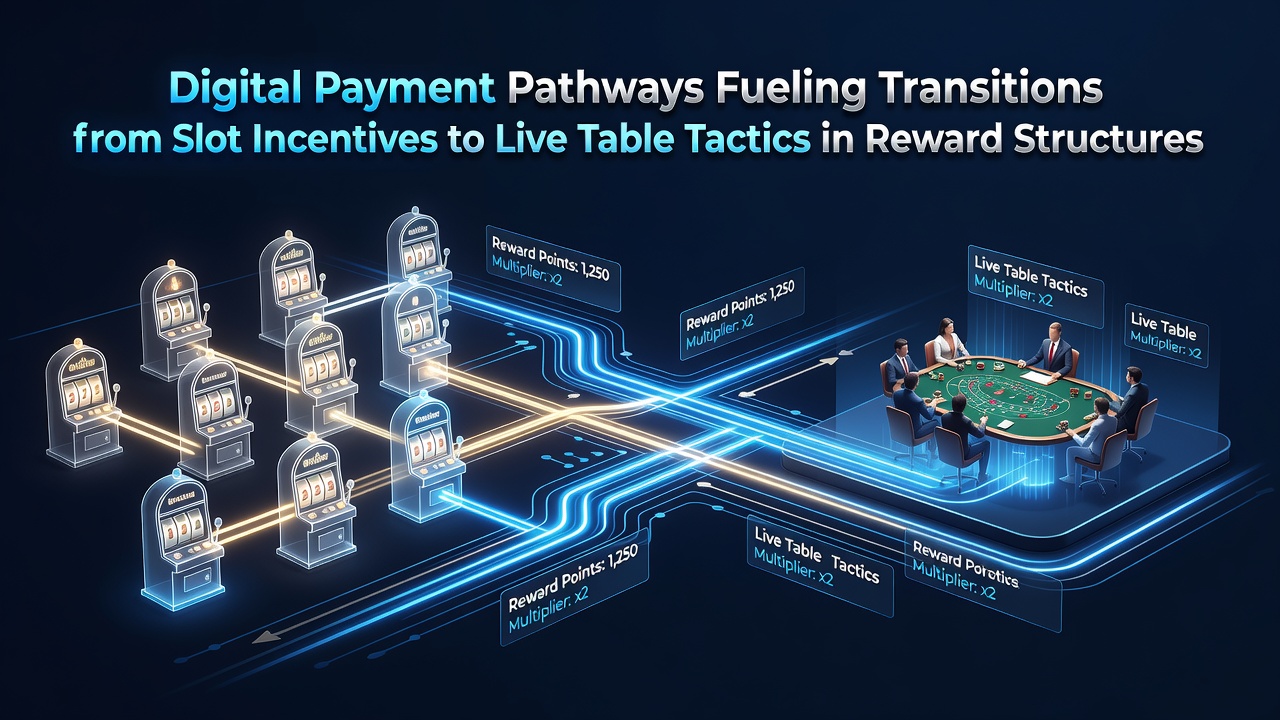
Digital payment systems have transformed how casino operators structure rewards, moving incentives away from isolated slot bonuses toward integrated live table strategies that reward cross-game participation. These pathways rely on instant transfers through e-wallets, bank links, and other electronic methods that reduce friction between deposit and play, allowing reward programs to track activity across different game formats without delays.
Evolution of Transaction Methods in Gaming Venues
Traditional cash-based systems once limited reward tracking to single sessions or machine types, yet electronic options introduced in recent years enable continuous monitoring of player spend. Data from industry analyses show that operators adopting faster settlement tools recorded higher rates of players progressing from slot-focused promotions to table game incentives within the same visit. Researchers at various institutions note that seamless funding options support loyalty structures where points earned on reels convert directly into comps for blackjack or roulette sessions.
Payment speed matters because many programs now award bonuses based on real-time activity rather than end-of-day totals. In June 2026, several operators reported updated systems that sync deposits with live game floors, creating unified ledgers for reward calculations. Those who've examined these platforms observe that reduced processing times correlate with increased movement between incentive categories, as players face fewer interruptions when shifting focus.
Slot Incentives as Entry Points
Free spin offers and deposit matches on slots serve as initial hooks in many reward frameworks, drawing participants into ecosystems where subsequent activity unlocks table game benefits. Studies from gaming research groups indicate that electronic payments facilitate this progression by confirming eligibility instantly, eliminating the lag that once separated slot play from table access. Observers note patterns where players who fund accounts via digital channels accumulate qualifying points faster, transitioning tactics toward dealer interactions once thresholds are met.
Examples from operational reports highlight how variable reel games feed into broader structures. One analysis revealed that players using linked payment methods often complete slot rounds and immediately apply accumulated rewards to live sessions, with data tracking showing higher retention when transitions occur without additional verification steps. This setup relies on backend integrations that treat all game types under single reward umbrellas.
Live Table Tactics and Integrated Rewards
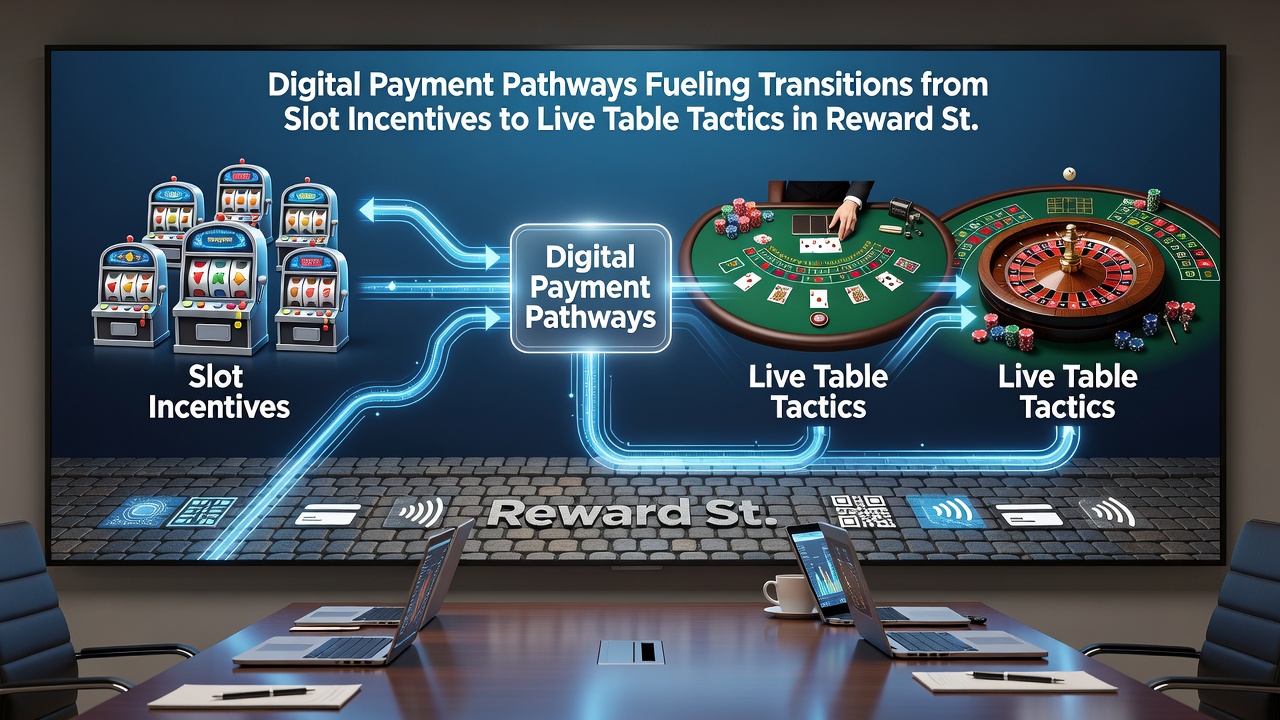
Live dealer environments have adopted reward elements once reserved for slots, including point multipliers and targeted comps triggered by prior reel activity. According to figures from the European Gaming and Betting Association, operators implementing unified payment tracking see measurable uptake in table game participation among those who began with slot incentives. These systems allow tactics such as timed table bonuses or dealer-specific promotions that reference slot history, creating layered structures rather than separate silos.
Payment pathways support this by handling varied transaction sizes common at tables, where stakes differ from typical slot denominations. Analysts point to cases where instant verification tools let players move winnings or additional funds without exiting the reward cycle, maintaining momentum across game categories. Data indicates steady adoption of such features in jurisdictions with established electronic gaming frameworks.
Technical Integration and Tracking Capabilities
Backend platforms that connect payment processors to game management software enable detailed logging of transitions between slot and table play. University-led examinations of these systems demonstrate that accurate attribution of rewards depends on low-latency connections, which digital methods provide through standardized APIs. Operators gain visibility into how slot incentives influence table tactics, adjusting structures accordingly based on aggregated patterns rather than isolated metrics.
Additional tools like automated point conversions further streamline the process, turning reel-based activity into table privileges without manual intervention. Reports from trade organizations outside single regulatory zones confirm that venues investing in these integrations report consistent player movement across formats, supported by payment rails that handle both small and large transfers efficiently.
Regional Developments and Data Trends
Variations appear across markets, with some regions emphasizing mobile-linked payments that tie directly into live game apps. A review from Canadian regulatory sources shows similar patterns where electronic funding options correlate with expanded reward offerings at tables following slot engagement. These developments reflect broader industry shifts documented in multiple reports, where payment technology underpins reward flexibility without prescribing specific outcomes.
Operators continue refining these pathways as transaction volumes grow, incorporating features that accommodate both casual and frequent participants. Evidence from cross-border studies suggests that the core mechanism remains consistent: faster, traceable payments reduce barriers that previously kept incentives segmented by game type.
Conclusion
Digital payment innovations continue to support evolving reward structures by enabling fluid movement from slot incentives to live table tactics. The mechanisms rely on speed, integration, and unified tracking that operators apply across various jurisdictions. Ongoing data collection from diverse sources illustrates how these elements combine to reshape participation patterns, with electronic pathways serving as the connective tissue in modern casino frameworks.